










Quick answer
- Understand practical differences between Beijing and Shanghai for first-time visitors, from payment apps to restroom etiquette.
- Learn how to prepare for culture shock, including internet access, cashless payments, and local habits.
- Get step-by-step advice on transport, food, and daily logistics to reduce uncertainty on your first China trip.
Introduction: China Feels Different, but Preparation Makes the Shock Manageable
You have the tickets, the passport is ready, but a knot of uncertainty sits in your stomach. Will you be able to pay for a taxi? Can you read a restaurant menu? What happens when you need a toilet? For first-time visitors, China presents a series of practical unknowns that can feel overwhelming. This guide answers the central question: Beijing or Shanghai: which is better for first-time visitors? More importantly, it walks you through every culture shock you will face and how to handle it before and after arrival.
Culture shock in China is real, but it is manageable with preparation. Both Beijing and Shanghai are modern, safe, and visitor-friendly, but they demand different adjustments. Shanghai feels more international with its colonial architecture and expat communities; Beijing immerses you in history, politics, and a more intense pace. Whichever you choose, the same set of tools—mobile payment apps, a reliable internet connection, offline maps, and a few Chinese phrases—will transform your trip from bewildering to brilliant.
1. China Is More Cashless Than Many Western Travelers Expect
Your first shock may come when you try to pay. In both Beijing and Shanghai, street vendors, convenience stores, metro tickets, and even some restroom attendants expect mobile payment. Alipay and WeChat Pay dominate every transaction. Many travelers assume they can use credit cards everywhere, but that is not true. Even in high-end hotels, smaller shops may not accept foreign cards.
Install Alipay and WeChat Pay before departure, link your international card, and complete identity verification. Test with a small purchase, like a bottle of water, to ensure it works. Keep a backup card and some cash (about 500–1000 RMB) for situations where mobile payment fails. Without this preparation, you will feel stranded. Never rely on a single payment method.
In Beijing, markets like the Silk Street or night food stalls often prefer cash or QR codes. In Shanghai, nearly every shop accepts mobile payment, but a few older restaurants still expect cash. The lesson: set up your apps, carry backup cash, and save screenshots of payment QR codes offline for emergencies.
2. The Internet Works Differently Behind the Great Firewall
You land, turn on your phone, and immediately notice: Google, Facebook, Instagram, WhatsApp, and many news sites are blocked. This is the Great Firewall. For first-time visitors, this is one of the most disorienting parts of culture shock. You will need a VPN or a local SIM that offers access to foreign services—but even then, reliability varies.
The best solution is an eSIM that includes a VPN or a data plan from a provider that offers unrestricted access. Alternatively, buy a local SIM card at the airport (China Mobile, China Unicom, or China Telecom) and install a VPN app before traveling. Test everything before you need it. Download offline maps (like Amap or Baidu Maps) and save screenshots of hotel addresses, train tickets, and attraction bookings.
In Beijing, public WiFi often requires a local phone number for verification. In Shanghai, many cafes provide visitor WiFi but again need SMS verification. Plan to have a working data connection from the moment you arrive. Without it, you cannot use payment apps, navigation, or translation tools. A good rule: set up connectivity before departure, not after arrival.
3. Super Apps Replace Many Separate Travel Tools
Western travelers are used to juggling multiple apps: Google Maps for navigation, Uber for rides, WhatsApp for messaging, and a separate payment app. In China, one super app does most of this. WeChat combines messaging, payments, ride-hailing, taxi booking, food delivery, and even hotel reservations. Alipay also works as a payment and mini-app platform for services like bike sharing and metro tickets.
Download both apps before you leave. In WeChat, link your card and learn to use the 'scan' and 'pay' functions. For ride-hailing, use Didi (the Chinese Uber), which is accessible via Alipay or WeChat miniprograms. For metro, save a metro map offline or use a miniprogram that displays routes.
In Beijing, you will use these apps constantly: scan QR codes at subway turnstiles, pay for museum tickets, and order food at restaurants. In Shanghai, the same apps work seamlessly. The trick is to set them up and test them before you need them. Without these apps, you will queue for paper tickets and struggle to find taxis.

4. Crowds, Queues, and Personal Space Can Feel Intense
Beijing and Shanghai are among the most populous cities on earth. Expect dense crowds at attractions like the Forbidden City, Great Wall, The Bund, and Disneyland. Personal space is minimal. Queues are often not orderly; people may push or cut in line. This can feel aggressive, but it is a cultural norm in high-density public spaces.
Plan your visits to popular sites early in the morning or on weekdays. Buy tickets online in advance to avoid long queues. When queuing, stand firm but polite—do not take it personally if someone crowds you. At metro stations during rush hour (8–9 AM and 5–7 PM), avoid peak times and prepare for packed trains.
In Beijing, the Great Wall at Badaling can be stifling on weekends; consider a less crowded section like Mutianyu. In Shanghai, the Bund is best visited at night for views and fewer crowds. Accept that public spaces will feel different from your home country, and adjust your expectations to reduce frustration.
5. Food Culture Is More Regional, Shared, and Fast-Moving
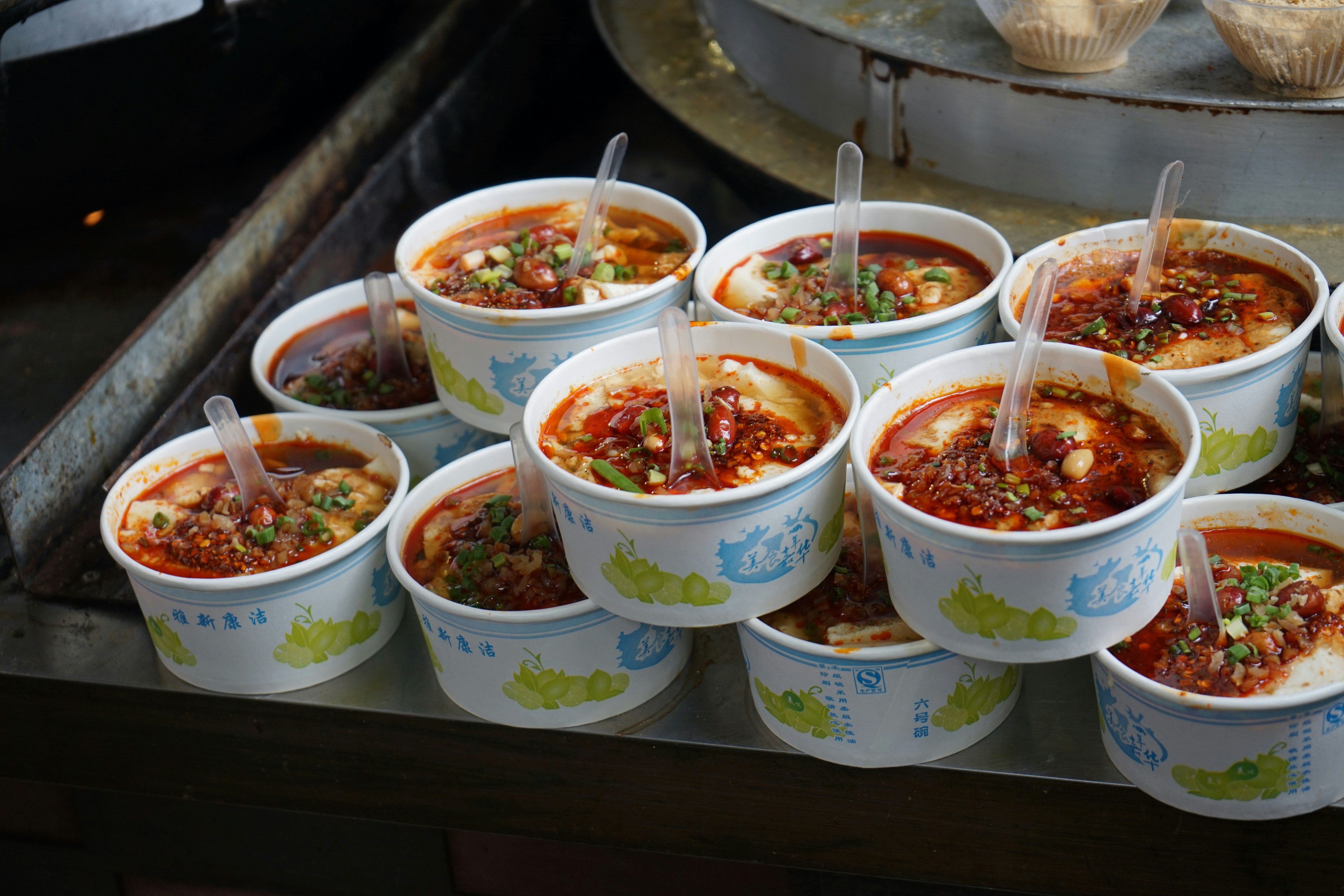
China food culture shock hits many visitors. Meals are often communal: dishes are placed in the center and shared with the group. You will use chopsticks, and sometimes a serving spoon. At a hotpot restaurant, you cook your own ingredients in a shared broth. In both Beijing and Shanghai, busy restaurants use QR codes for ordering: scan the code at your table, browse menu photos, pay via WeChat, and the food arrives.
Regional food differs enormously. Beijing is known for Peking duck, zhajiangmian (noodles with soybean paste), and lamb skewers. Shanghai offers xiaolongbao (soup dumplings), shengjianbao (pan-fried buns), and red-braised pork. Translation apps, menu photos, and a willingness to point at what others are eating can help you order. If you have dietary restrictions, prepare written Chinese phrases like 'I am allergic to peanuts' (我对花生过敏) and confirm with the server.
Start with easy dishes: steamed dumplings, noodle soups, or stir-fried vegetables. Avoid street food unless you see a high turnover. Keep a backup payment method, as some street vendors may not accept cards. For first-timers, both cities offer food tours or cooking classes that bridge the cultural gap and make eating a joy rather than a challenge.

6. Drinking Water and Hot Water Habits Are Different
Tap water in China is not safe to drink. Even locals boil or filter it. In both Beijing and Shanghai, buy bottled water from convenience stores (like 7-Eleven, FamilyMart, or LAWSON). A 500ml bottle costs about 2–3 RMB. Many hotels provide two free bottles per day, but you can also refill at water dispensers in some hotels or hostels.
Hot water is a cultural staple. Chinese people drink hot water habitually, and you will find hot water dispensers in train stations, airports, and some public buildings. Hot water is considered healthier, but you can also ask for iced drinks in Western cafes. If you prefer cold water, buy bottled and refrigerate it yourself.
For tea lovers, both cities have amazing tea houses. In Beijing, try a traditional tea ceremony. In Shanghai, visit a tea market like Tianzifang. Just remember: never drink tap water, even after brushing your teeth. Use bottled or boiled water for everything. This simple habit prevents the most common travel illness.
7. Restrooms Require More Preparation Than Many Visitors Expect
Public toilets in China can be a culture shock. Many are squat toilets—a porcelain hole in the ground. Some are clean, some are not. Toilet paper is rarely provided; you must carry your own. In both Beijing and Shanghai, Western-style sit-down toilets are common in malls, hotels, and airports, but in older neighborhoods or tourist sites, squat toilets prevail.
Carry a small pack of tissues or wet wipes at all times. Learn to use a squat toilet: face the hood (the wider end), squat low, and maintain balance. It is easier than it sounds. For women, consider carrying a portable bidet or disinfectant spray. Some public toilets have attendants who charge a small fee (1–2 RMB) for use, so keep coins handy.
In Beijing, tourist sites like the Forbidden City have decent restrooms but often long lines. In Shanghai, malls and metro stations have clean toilets with paper. Plan to use facilities at your hotel before heading out, and always scout the nearest Starbucks or KFC for a reliable Western-style toilet. This preparation reduces one of the most common stress points.
8. High-Speed Rail Feels Like Airport-Style Travel
If you travel between Beijing and Shanghai, you will likely take the high-speed rail. The trip takes about 4.5 hours and costs around 550–600 RMB for a second-class seat. But do not treat it like a subway ride: stations are huge, and you need to arrive at least 30 minutes early for security and boarding. Your passport is your ticket; never put it away until you are through the gate.
At the station, you will pass through a security check similar to an airport: bags go through an X-ray machine, and you walk through a metal detector. There is no liquid restriction, so bring your own water. The waiting hall is large, and the platform is assigned only 15 minutes before departure. Watch the electronic board and follow the crowd.
In Beijing, major stations are Beijing South, Beijing West, and Beijing. In Shanghai, use Shanghai Hongqiao for most high-speed trains. Keep your passport handy for every step. Book tickets via trip.com, Ctrip, or the China Railway official site; save a screenshot of the QR code as backup. This preparation ensures smooth travel between these two iconic cities.
9. Passports Are Used More Often Than Many Tourists Expect
Your passport is your identity card in China. You will need it for hotel check-in (the front desk will photocopy it), train ticket purchases, museum entry, and even some metro services. In Beijing, entering attractions like the Forbidden City requires passport scanning. In Shanghai, some museums and parks ask for passport details. Keep your passport in a secure but accessible pocket.
Make two color copies: one to carry (leave the original in the hotel safe) and one stored digitally on your phone. If you lose your passport, visit your embassy and the police station immediately. For metro, some stations allow foreign passports to purchase tickets at the counter, but apps like Alipay eliminate this hassle.
In both cities, never give your passport as a deposit for a scooter or bike rental—leave a cash deposit instead. Also, always have your hotel address (in Chinese) written down to show taxi drivers. Without a passport, you cannot check in, board a train, or enter many sites. Treat it like gold.
10. No Tipping and Different Service Expectations Can Surprise Visitors
Tipping is not practiced in China. In fact, it can be considered rude or confusing. Do not leave extra money at restaurants, taxis, or hotels. The service charge is included. If you try to tip a hotel bellboy, they may politely refuse. Instead, a sincere thank you (xiè xie) is expected.
Service expectations differ. In busy restaurants, servers may seem inattentive by Western standards; they are focused on efficiency rather than personal service. You may need to wave them over or go to the counter to pay. In Shanghai, some upscale restaurants adopt Western service norms, but in Beijing local eateries, be prepared for a more transactional interaction.
In both cities, 'service' means completing tasks quickly, not chit-chat. Be patient, learn basic phrases like 'jiăn dān' (simple), and use translation apps. Understanding this cultural norm prevents frustration and helps you appreciate the efficiency of Chinese service culture. Remember: no tip, but always say thank you.
How to Prepare Before Your First China Trip
Preparation is the antidote to culture shock. Start with connectivity: buy an eSIM that works in China and includes a VPN, or arrange a local SIM. Install Alipay and WeChat Pay, link your card, and test with a small transaction. Save offline maps (Baidu or Amap) and screenshots of your hotel, train bookings, and emergency numbers.
Learn a few Chinese phrases: 'nĭ hǎo' (hello), 'xiè xie' (thank you), 'duō shao qián' (how much), and 'wǒ yào zhè ge' (I want this). Pack a small first-aid kit, hand sanitizer, toilet paper, and a reusable water bottle (for boiled water only). Check the visa requirements on [Visa & Entry](/visa) page and apply early.
Read about each destination on the [Destinations](/destinations) page, and use the [Itinerary planner](/itineraries) to map out your days. Aim for a balanced trip: mix iconic sights with local neighborhoods, and allow rest days. The more you prepare, the more you will enjoy the trip. Culture shock becomes cultural discovery.
Conclusion: Turn Culture Shock Into Better Travel Decisions
Choosing between Beijing and Shanghai for a first visit is less about which is 'better' and more about your travel style. Beijing offers deeper historical immersion, while Shanghai provides a smoother introduction to urban China. Both will challenge your assumptions and reward your curiosity. The culture shocks—cashless payments, firewalls, squat toilets, shared meals—are not barriers; they are invitations to adapt and learn.
Prepare thoroughly, carry a backup plan for every scenario (payment, internet, toilet), and approach each difference with a sense of adventure. The traveler who packs tissues, installs WeChat, and memorizes 'xiè xie' will navigate China with far more confidence than one who leaves everything to chance. Now it is time to book, pack, and set off. Get started with the [Travel Essentials](/essentials) guide.
Before you go
- ✓Install Alipay and WeChat Pay, link your card, and test a small payment before departure.
- ✓Arrange connectivity: buy an eSIM with VPN or a local SIM card; download offline maps and screenshots.
- ✓Carry toilet paper, wet wipes, and hand sanitizer at all times; learn how to use a squat toilet.
- ✓Learn basic Chinese phrases: hello, thank you, how much, and allergy/dietary needs.
- ✓Keep your passport accessible; make copies; save your hotel address in Chinese on your phone.
Common mistakes
- Relying solely on credit cards—without Alipay or WeChat Pay you'll struggle to pay in many places.
- Forgetting to set up a VPN or eSIM before arrival—then you can't access essential apps.
- Assuming tap water is safe to drink—always buy bottled water or boil it.
- Arriving at a train station without knowing the exact station name—Beijing has multiple stations.
- Tipping—don't do it; it's not expected and can cause confusion.
FAQ
What culture shocks should Western tourists expect in China?
Culture shocks vary but common ones include cashless payments (Alipay/WeChat Pay), internet restrictions (Great Firewall), squat toilets, communal dining, and crowded public spaces. Preparation reduces the shock: set up payment apps, bring a VPN, carry toilet paper, and adjust expectations for personal space.
How can first-time visitors avoid awkward mistakes?
Learn basic Chinese phrases, carry a translation app, never drink tap water, carry tissues for toilets, use payment apps, and avoid tipping. Research local customs for the city you visit—Beijing is more traditional, Shanghai more international. Always ask before taking photos of people.
Which habits should travelers prepare for before arrival?
Prepare for cashless payments (install apps now), internet censorship (get a VPN/eSIM), squat toilets (practice at home or use malls), communal eating (share dishes), and queuing culture (stand firm but polite). Also prepare to show your passport frequently (hotels, trains, attractions).
Useful next steps
Policy, app, transport, and booking procedures can change. Recheck official sources and operating platforms before you pay for non-refundable travel.