










Quick answer
- Plan for cashless payments, connectivity, and passport checks before you fly.
- Eat regionally: Sichuan, Cantonese, Xi'an noodles, and Jiangnan dishes.
- Respect queues, personal space, and no-tipping service culture.
Introduction: China feels different, but preparation makes the shock manageable
If this is your first trip to China, the biggest risk is not the food—it is the assumptions you bring. Many Western travelers expect to pay by card, connect to familiar websites, and find Western-style restrooms. Reality can feel like China culture shock from the moment you land. The good news is that every one of these surprises is manageable if you prepare in the right order.
This guide turns the title 'Best Chinese Foods to Try on Your First Trip' into a broader survival plan. Before you taste Sichuan hotpot or Cantonese dim sum, you need money, data, transport, and etiquette to work. Use this article as a planning checklist, not just a menu. When you understand the unwritten rules, you can relax and eat better.
China is more cashless than many Western travelers expect
Walk into a bakery in Shanghai or a noodle shop in Chengdu and you will see QR codes, not card readers. Alipay and WeChat Pay dominate daily payments, from street food to high-speed rail tickets. Foreign visitors can link international cards, but setup matters. Install both apps before departure, complete identity verification, and test with a small purchase. Test your payment app with a small purchase before departure so you know whether your card works.
Carry a backup card and a small amount of cash because some hotel deposits, transport counters, or small vendors may need an alternative. Screenshot your payment setup success, your hotel address in Chinese, and any booking reference numbers. This reduces stress when Wi-Fi is weak. If you see a cash-only sign, do not panic—most major tourist venues accept mobile payment, but preparation keeps you flexible.
For a deeper look at what to pack and how to document your trip, review our Travel Essentials page. The goal is to avoid the moment when you stand at a counter and realize your only payment method is a card your bank has blocked.

The internet works differently behind the Great Firewall
A stable data connection is your lifeline for maps, translation, payments, and ride-hailing. Many Western apps and websites are blocked or limited behind the Great Firewall, so do not assume your home mobile plan will let you use everything. An eSIM is often the smoothest option for compatible phones: check your device, choose a China travel package, and activate before landing or at your first airport terminal.
International roaming may work, but it can be expensive and may still face local network restrictions. Pocket Wi-Fi works for groups but requires pickup, return, charging, and carrying an extra device. Whichever option you choose, download offline maps and save screenshots of key reservations. Do not wait until you need to call a taxi to discover that your data plan does not work.
A useful visual habit is to screenshot the map view of your hotel and the main train station before you leave Wi-Fi. Open the screenshot when you need to show a driver or ask for directions. For more practical packing and connectivity tips, visit our Travel Essentials page.
Super apps replace many separate travel tools
In many countries you juggle ride-hailing, map, food delivery, and chat apps. In China, super apps bundle services. Alipay and WeChat Pay do more than payments: they can hail taxis, order food, scan QR codes, and sometimes provide mini-apps for attractions. This means fewer downloads, but it also means setting them up before you arrive. Do not wait until you are standing outside a metro station with no data.
For navigation, many travelers use Amap or Baidu Maps, but these Chinese map apps are more useful when you can read Chinese. A practical workaround is to use your existing map app offline plus the Chinese address saved on your phone. Screenshot the entrance or landmark. If you use ride-hailing inside a super app, confirm the pickup point and show the driver your destination screen.
The phrase 'China travel apps' may sound like a list of dozens of tools, but a few well-configured apps can cover almost everything. Start with Alipay, WeChat Pay, a translation app, and an offline map. That is a complete digital survival kit for a first visit.

China culture shock: crowds, queues, and personal space can feel intense
China culture shock often appears in public space. Popular sites like the Great Wall, Zhangjiajie, and the Bund can feel overwhelming, especially on weekends and national holidays. Queues may look unstructured, but they have rules. Keep your elbows loose, follow the person ahead of you, and do not suddenly stop to take a photo. Personal space is different in Chinese cities; brushing shoulders on the metro is normal, not rude.
To avoid the worst crowds, start early, book tickets in advance when possible, and consider visiting smaller cities or weekday slots. If you are on a tight itinerary, our Itinerary planner can help you sequence attractions with realistic buffer time. Remember that 'queue' sometimes means 'gather around the entrance'—just watch local travelers and mirror their pace.
The Great Wall and Zhangjiajie are visually unforgettable, but they are also crowded. Schedule them for the morning and take a screenshot of the route from your hotel to the entrance before you go. That small step reduces the stress of seeing a sea of people and not knowing which direction to walk.
Food culture is more regional, shared, and fast-moving
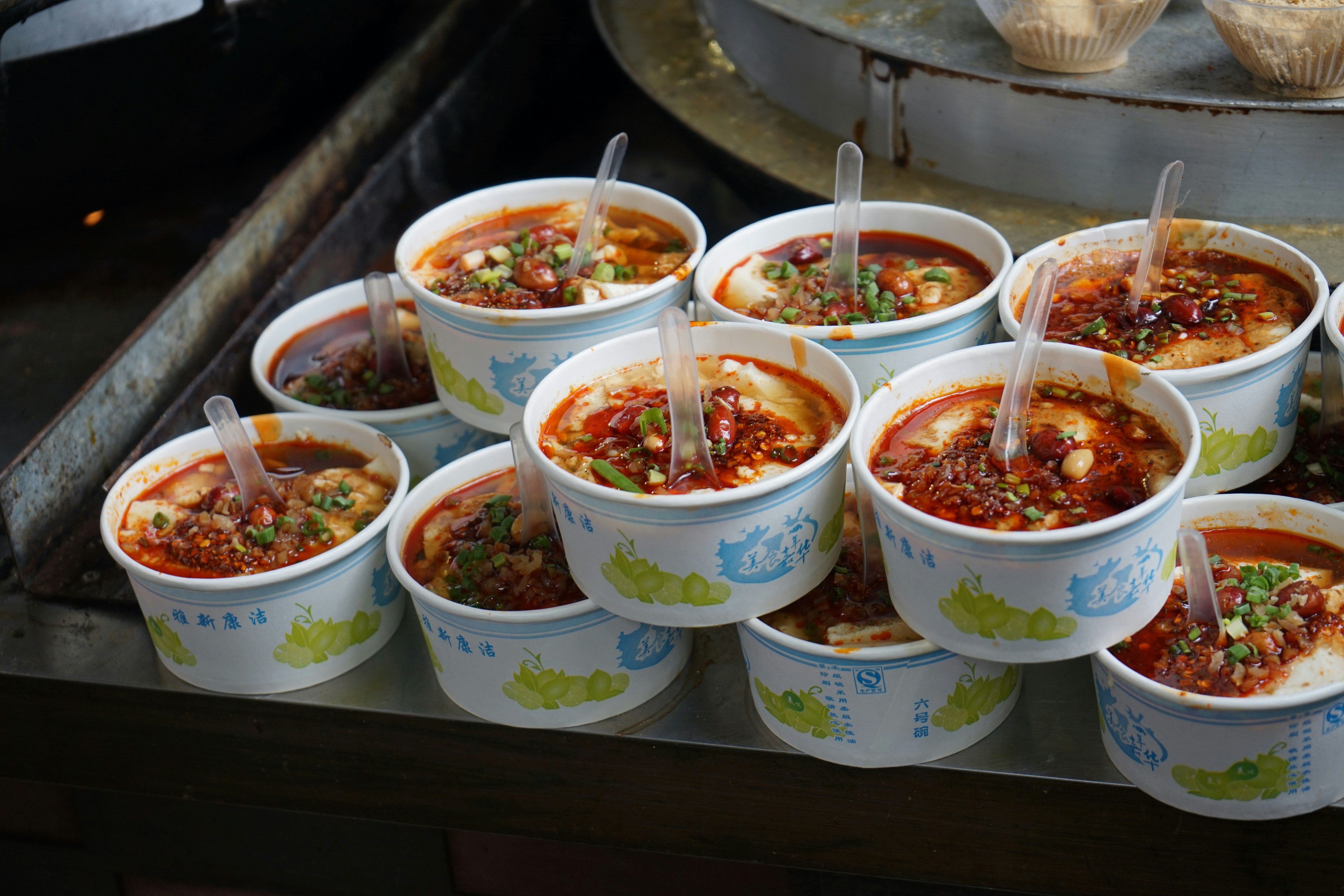
The best Chinese foods to try on your first trip depend on where you are. Chengdu is the home of Sichuan hotpot and mapo tofu; Guangzhou shines with Cantonese dim sum; Xi'an is famous for hand-pulled noodles and Muslim Quarter snacks; Shanghai offers soup dumplings and braised pork. Do not assume one restaurant menu represents all of China. Regional cooking differences are enormous.
Ordering can be fast. Busy restaurants may use QR ordering, counter payment, or waiters who take your order quickly. Translation apps with photo features help, and many menus have pictures. If you have allergies or dietary restrictions, prepare written Chinese phrases before you travel and show them politely. Start with easy dishes like steamed dumplings or stir-fried greens before moving to more challenging flavors.
When in doubt, look for the dish photo or ask to see what nearby tables ordered. Food is meant to be shared, so order a few dishes for the table and try a bit of everything. For city-specific food inspiration, browse our Destinations page for Chengdu, Guangzhou, and Xi'an context.

Drinking water and hot water habits are different
Tap water in China is not considered safe to drink unless it has been boiled. Many Chinese families and hotels provide a thermos or hot water dispenser. This habit surprises Western travelers, but it is a daily ritual. Carry a reusable bottle and use hot water from your hotel room, then let it cool. Many tea shops and train stations also offer hot water for free.
Cold water is not automatically served at meals the way it is in some Western countries. If you ask for water, it may arrive warm or boiled. This is normal. If you need clean drinking water, buy bottled water from a convenience store and check the seal. Avoid ice in places with uncertain water quality. This small habit prevents a common first-trip stomach issue.
Restrooms require more preparation than many visitors expect
Public restrooms in China often include squat toilets, and there may be no toilet paper in the stall. Carry your own tissue, hand sanitizer, and perhaps a small bottle of water for washing. Many tourist sites and modern malls have western-style seats, but older stations, scenic areas, and roadside stops may not. Do not let this become a panic; just be prepared.
Some restrooms require you to bring paper to a bin instead of flushing it. This is standard, not a sign of poor plumbing. At airports and high-speed rail stations, look for a supply station or vendor before using the restroom. If you are traveling with children or someone with mobility issues, plan restroom stops carefully and identify accessible options at hotels beforehand.
High-speed rail feels like airport-style travel
High-speed rail may be the best way to move between cities, but the station experience resembles an airport more than a subway. You must check your ticket, pass security, and show your passport at the gate. Leave buffer time, especially in large stations like Beijing South, Shanghai Hongqiao, or Chengdu East. Always verify the exact station name before booking; a mistake can cost you hours.
When using a mobile ticketing app, ensure it recognizes your international passport. Keep your passport in the same pocket as your ticket. Arrive at least 30–45 minutes before departure for intercity trains, more if you are unfamiliar with the station. For classic routes like Beijing–Shanghai or Shanghai–Hangzhou, high-speed rail beats flying when you count check-in time and city-to-station distance.
Take a screenshot of your train number, carriage, seat number, and departure time. Station screenshots are also useful when you need to ask a staff member for help; pointing at a screen is often faster than trying to pronounce a Chinese station name.
Passports are used more often than many tourists expect
Your passport is not just for immigration. Train stations, hotel check-in, attraction ticket counters, and even some payment verification screens will ask for it. Keep it accessible, not buried in a suitcase. Carry a photocopy or a phone photo of your passport information page, visa stamp, and entry stamp for backup.
Hotels in China are legally required to register foreign guests, so they will copy your passport details. Some online and offline services need your passport number to process a refund or verify a booking. If you lose your passport, go to the nearest Chinese police station for a report—ask your hotel for help. Also keep an eye on your visa validity and exit date, because overstays are treated seriously.
No tipping and different service expectations can surprise visitors
In China, no tipping is the standard. Hotels, restaurants, taxis, and tour guides do not expect a tip, and some may even chase you to return the money. This feels strange to visitors from North America or parts of Europe. Do not force tips into a payment terminal; a polite smile is enough.
Service style can also feel different. Waiters may not check on you frequently, and front-desk staff may seem direct. This is not rudeness. It is simply a different service culture. If you need something, signal or say 'fuwuyuan' (waiter) and ask. At fast-food style restaurants, you may pay first and then sit; at QR ordering tables, you order from your phone before the kitchen starts.
How to prepare before your first China trip
Start with entry rules. Check the current visa requirements and entry policies through official sources before booking. You may need a visa or a visa-free transit depending on your passport. Use our Visa & Entry page as a planning starting point, but always verify with the Chinese embassy or consulate. Book flights and trains with a real name that exactly matches your passport.
Next, build your digital toolkit. Install Alipay and WeChat Pay, link your card, and complete verification. Buy a China eSIM if your phone supports it, and download offline maps. Write down hotel addresses in Chinese, attraction booking references, and train numbers. Save a screenshot of your first-day plan. Create a small checklist: passport, cash backup, phone charger, power bank, reusable water bottle, tissue, and allergy phrases.
Finally, set expectations. China is safe, modern, and incredibly rewarding, but it is not a place where you can improvise without data. Our Itinerary planner can help you decide how many days to spend in Beijing, Xi'an, Chengdu, and Shanghai, while our Destinations pages give you local food and transport context.
Conclusion: turn culture shock into better travel decisions
China culture shock does not disappear completely, but it becomes a series of small, manageable surprises. Once you can pay, connect, move, and order without panic, the food becomes the highlight. The best Chinese foods to try on your first trip are the ones served where locals eat, at the right temperature, with the right condiments.
Before you book, use this article as a starting point. Review our Itinerary planner to see how many days you need, and check Destinations for city-by-city food guides. If questions remain about visas, connectivity, or etiquette, ask us directly. Preparation is the best seasoning for a first trip to China.
Before you go
- ✓Install and test Alipay and WeChat Pay before departure
- ✓Buy a China eSIM or activate international roaming and test it before flying
- ✓Save offline screenshots of hotel addresses, train bookings, and passport pages
- ✓Bring a backup card, a small amount of cash, and allergy phrases in Chinese
- ✓Carry your own toilet paper, hand sanitizer, and a reusable water bottle
Common mistakes
- Assuming credit cards work everywhere instead of setting up mobile payment
- Arriving without a working data connection and trying to rely on free Wi-Fi
- Confusing railway stations with similar names and missing the train
- Tipping out of habit when no tipping is expected in China
- Drinking tap water before checking whether it is safe
FAQ
What culture shocks should Western tourists expect in China?
Expect China culture shock around cashless payments, blocked websites, crowded stations, squat toilets, and no-tipping service. The biggest practical shock is how much of daily life runs through Alipay and WeChat Pay, so set them up before you go.
How can first-time visitors avoid awkward mistakes?
Prepare your digital toolbox before arrival: link cards, buy an eSIM, save hotel addresses in Chinese, and screenshot train bookings. Arrive early at high-speed rail stations, keep your passport accessible, and remember that no tipping is the norm.
Which habits should travelers prepare for before arrival?
Get used to drinking hot water or bottled water instead of tap water, carrying your own toilet paper, using super apps for transport and payments, and showing your passport at hotels and train stations. These small habits make a first trip much smoother.
Useful next steps
Policy, app, transport, and booking procedures can change. Recheck official sources and operating platforms before you pay for non-refundable travel.