










Quick answer
- Discover the top food cities for first-time visitors and prepare for culture shocks like cashless payments, language barriers, and restroom differences.
- Get step-by-step advice on setting up Alipay, WeChat Pay, and an eSIM before departure to avoid common pitfalls.
- Learn regional food etiquette, how to order with allergy concerns, and why high-speed rail is your best friend for city hopping.
Introduction: China feels different, but preparation makes the shock manageable
You’ve booked your first trip to China. You’re excited about dumplings in Shanghai, fiery hotpot in Chengdu, and hand-pulled noodles in Xi’an. But then the worry creeps in: How will I pay? Will I have internet? What if I can’t read the menu? Will I get sick from the water? These are real concerns, and they’re normal. China’s digital ecosystem, public habits, and food culture differ from what most Western travelers experience. The good news? With a little preparation, these culture shocks become manageable – and your trip becomes unforgettable.
This guide focuses on the best food cities for first-time visitors while walking you through the top culture shocks: cashless payments, the Great Firewall, crowded food streets, squat toilets, and more. By the end, you’ll have a clear action plan so you can focus on eating your way through China without the anxiety.
The most important takeaway: Prepare your phone before you leave. Internet access and payment apps are your lifeline. Without them, even ordering a bowl of noodles becomes a challenge.
1. China is more cashless than many Western travelers expect
In top food cities like Chengdu, Guangzhou, Shanghai, and Xi’an, you’ll find that locals rarely carry cash. Street food stalls, tiny noodle shops, and even some temple markets expect you to scan a QR code with Alipay or WeChat Pay. This can be a shock if you arrive thinking credit cards are standard. Many restaurants and taxis do not accept foreign cards, and some may not take cash at all.
Solution: Set up Alipay or WeChat Pay before departure. Link your foreign credit card (Visa, Mastercard) – it usually works for most transactions. Complete the identity verification (you’ll need your passport). Then test the app by making a small payment to a friend or a charity. This ensures you won’t be stuck when you’re hungry at a night market. Still, always carry backup cash (RMB) in small bills for rare cases where mobile payment fails, like a countryside stall or a broken scanner.
For the best food cities, remember: Chengdu’s street food, Xi’an’s Muslim Quarter, and Guangzhou’s dim sum houses are heavily cashless. If your phone dies, you’re out of luck. Keep a portable charger and a screenshot of your Alipay payment QR code as an offline backup.
2. The internet works differently behind the Great Firewall
You can’t use Google Maps, Instagram, WhatsApp, Facebook, or many Western news sites in China without a VPN. This is a culture shock for first-timers who rely on these services. However, local alternatives exist: Baidu Maps (download offline), WeChat (for messaging), and Dianping (like Yelp). Before you arrive, install these apps and download offline maps of the food cities you’ll visit.
Connectivity is crucial. The best solution for most travelers is an eSIM that provides local data and works behind the firewall. eSIM providers like Airalo or Nomad offer China-specific plans that can be activated before you land. Alternatively, buy a local SIM at the airport (requires passport). Avoid relying only on roaming, as it can be expensive and may not bypass the firewall.
Tip: While exploring food cities, you’ll often need to translate menus or ask for directions. With a working data connection, you can use Google Translate offline (download Chinese language pack) or Pleco for Chinese characters. Take screenshots of your hotel address in Chinese – it helps taxi drivers immensely.
3. Super apps replace many separate travel tools
In China, apps like WeChat and Alipay are not just for payments. They are super apps that let you order food, book train tickets, call a taxi, pay utility bills, and even find a doctor. This integration can be overwhelming at first, but it simplifies travel. For food lovers, Dianping (大众点评) is indispensable – it shows restaurant ratings, menus, and user photos. You can even order delivery to your hotel.
When you’re in a food city, use Dianping to find the best local spots. Look for places with high ratings and lots of reviews (even if you can’t read them, the photos tell you what to order). Many restaurants also have QR code ordering: scan the code on your table, use WeChat to browse the menu, add items to cart, and pay – all without speaking a word.
One common mistake: trying to use Uber or Lyft. They don’t work in China. Instead, use DiDi (integrated into Alipay or as a standalone app). You can also book high-speed rail tickets via Trip.com or 12306 (the official site often has an English version). Having these apps pre-installed and logged in before arrival saves hours of frustration.

4. Crowds, queues, and personal space can feel intense
China’s best food cities are also among the most populous. Expect crowds at popular restaurants, night markets, and tourist streets. Queues can be chaotic – people may push or stand very close to you. This is normal, not rude. Personal space is smaller than in the West. In Xi’an’s Muslim Quarter or Shanghai’s Yu Garden, you’ll be shoulder to shoulder.
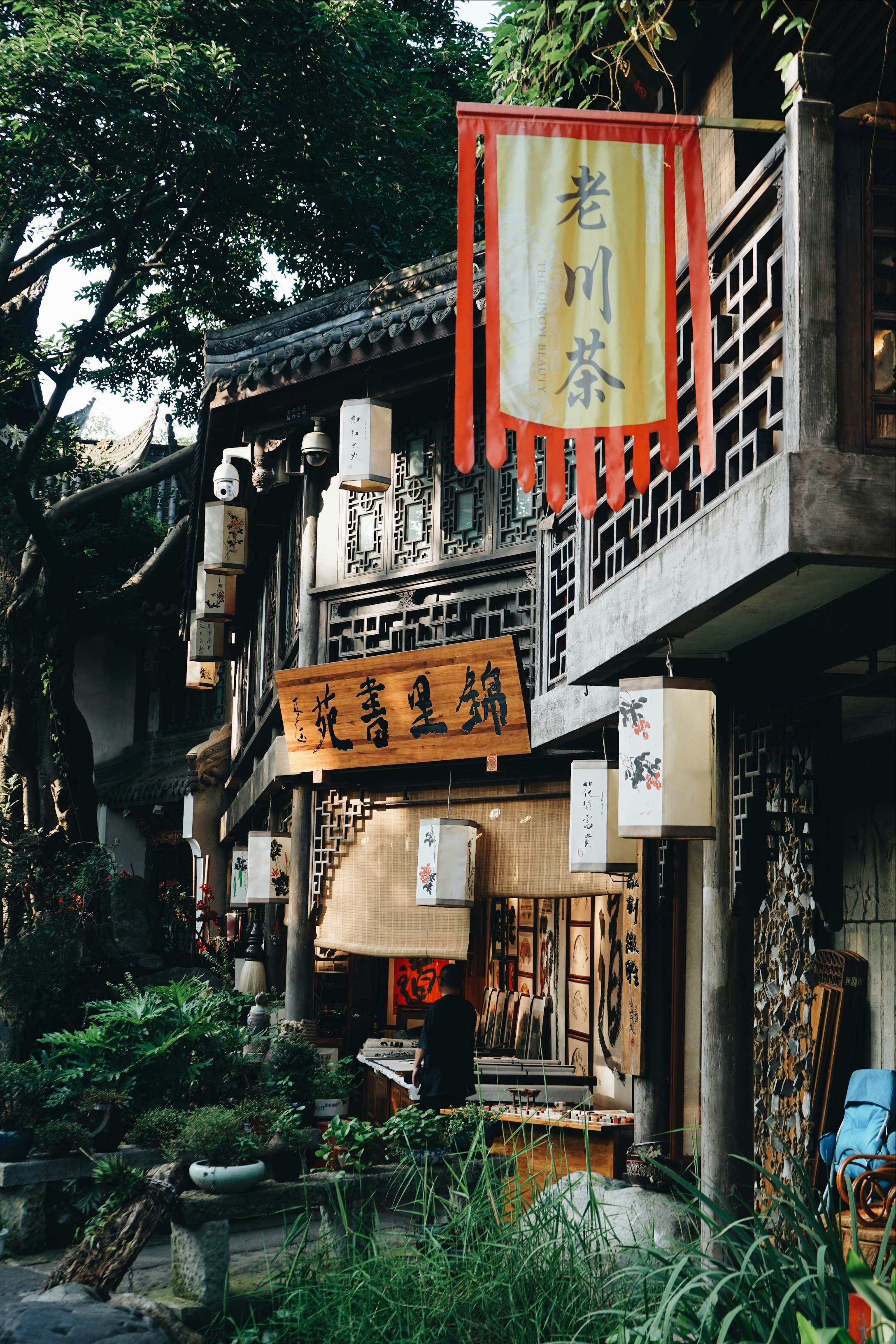
Adapt by embracing the energy. Arrive early for popular food spots (like Chengdu’s Jinli Ancient Street or Guangzhou’s dim sum houses) to avoid the worst crowds. In queues, stay close to the person in front but don’t be surprised if someone edges in – it’s common. Keep your valuables secure in a front pocket or bag, as pickpockets can operate in dense crowds.
For restaurant seating, you may be asked to share a table with strangers, especially in noodle shops or food courts. This is fine – just eat and go. If you’re uncomfortable, look for places with separate tables, usually higher-end or tourist-oriented restaurants. The best food cities know how to handle crowds, and you’ll quickly get used to the pace.
5. Food culture is more regional, shared, and fast-moving
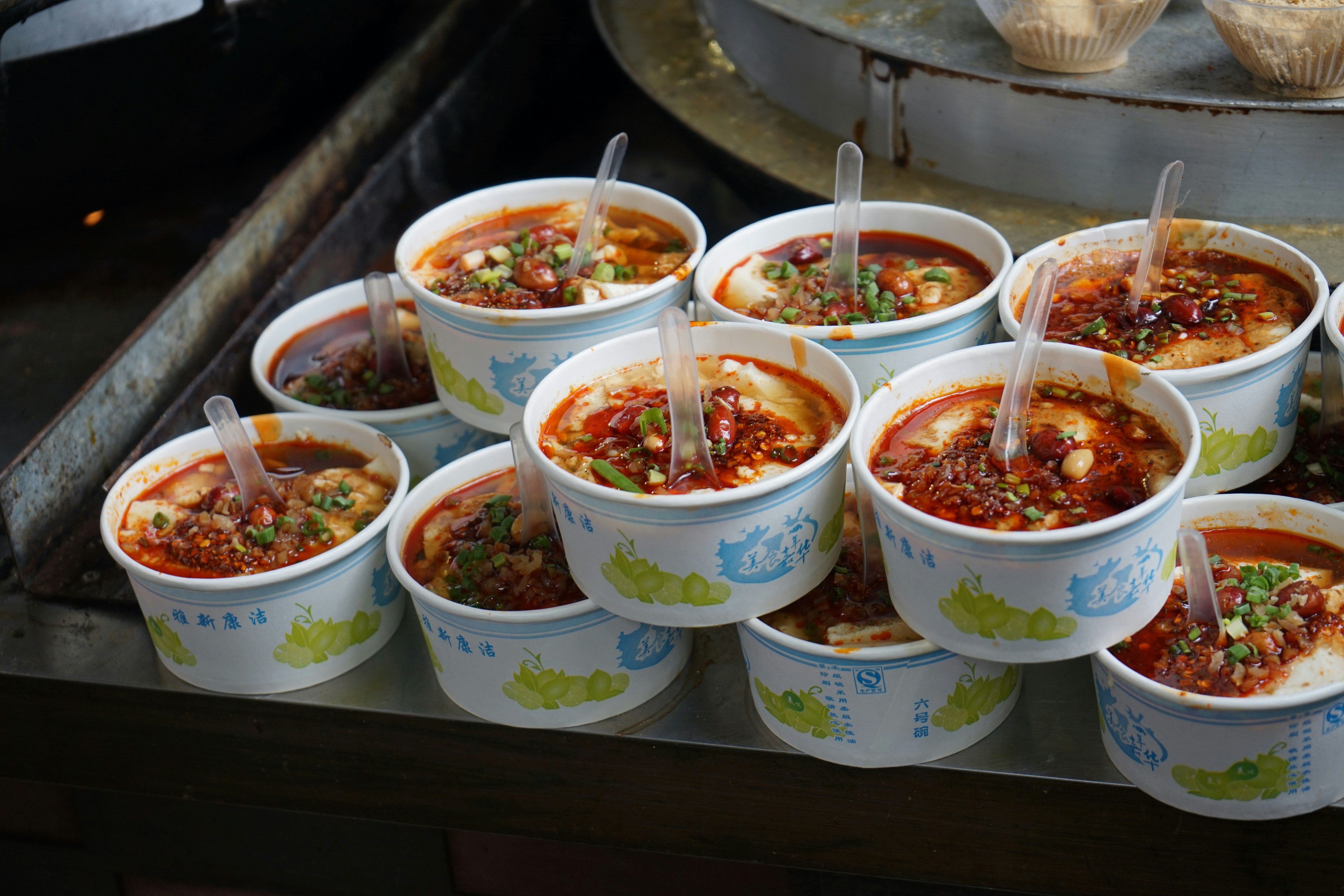
China’s food varies dramatically by region. The best food cities to start with are Chengdu for Sichuan spicy, Guangzhou for delicate Cantonese dim sum, Xi’an for hearty noodles and Muslim cuisine, and Shanghai for a mix of east-meets-west flavors. First-time visitors often think of “Chinese food” as one style, but in reality, you’ll find completely different dishes in each city.
Ordering can be a challenge. Many small eateries have picture menus – just point at the photo. For street stalls, watch what others are ordering and say “this” while pointing. Translation apps help, but prepare written phrases for allergies (e.g., “I am allergic to peanuts” in Chinese). Even if you can’t read the menu, the aroma and sizzling woks will guide you.
Food is often shared family-style. Don’t expect individual plates. A typical meal includes several dishes and rice for everyone. Use chopsticks to take food from communal plates – if you’re uncomfortable, ask for serving spoons. Also, note that tipping is not expected. In many restaurants, you pay at the counter before or after eating. Mobile payment is preferred, but cash works.

6. Drinking water and hot water habits are different
Never drink tap water in China. It’s not safe for foreign stomachs. Even locals boil or filter their water. This is a major culture shock for visitors used to drinking from the faucet. In hotels and hostels, you’ll usually find an electric kettle for boiling water. Use it for drinking, brushing teeth, and rinsing fruit. Bottled water is cheap and available everywhere – always have a bottle with you.
Chinese people often drink hot water (or tea) even in summer. Restaurants and trains always provide hot water. You may be surprised to see locals filling thermoses from giggling hot water dispensers in train stations or hotel lobbies. If you order cold water in a restaurant, you might get a room-temperature bottle or a glass with ice (but ice may be made from tap water – stick to bottled or boiled).
In food cities, stay hydrated especially when eating spicy food in Chengdu. Many restaurants serve free hot tea – it helps with digestion. Don’t be afraid to ask for hot water by saying “re kai shui” (热开水). Carrying a reusable water bottle and filling it with boiled water from your hotel is eco-friendly and saves money.
7. Restrooms require more preparation than many visitors expect
Public restrooms in China are a common source of culture shock. Many are squat toilets, not Western sit-down toilets. Even in modern shopping malls, you may find a mix. Always carry your own toilet paper – it’s rarely provided. Public toilets often lack soap, so hand sanitizer is essential. Also, note that used toilet paper goes in a bin, not the toilet, to prevent blockages.
In food cities like Chengdu and Xi’an, restrooms near night markets can be basic. Some are pay toilets (costing 1-2 RMB), so keep small change handy. Better restaurants and hotels have Western toilets and full amenities. Plan restroom breaks before and after meals, and don’t be surprised by the occasional lack of privacy (squat stalls may have gaps).
To avoid discomfort, use restrooms in upscale malls, hotels, or tourist attractions whenever possible. In train stations, pay for the premium toilet (usually clean and sit-down). For long days of food hopping, drink less water before a long stretch without facilities – but don’t dehydrate yourself.
8. High-speed rail feels like airport-style travel
China’s high-speed rail connects the best food cities efficiently. For example, Shanghai to Beijing takes 4.5 hours, and Chengdu to Chongqing is just 1.5 hours. But the experience is different from trains back home: you need to go through security (like an airport), present your passport at check-in, and arrive at the station at least 30-45 minutes early. Stations are huge – know which station you’re departing from (e.g., Beijing South vs. Beijing West).
Book tickets in advance via Trip.com or 12306 – the latter may require a Chinese phone number, but Trip.com is expat-friendly. Your passport is your ticket; you’ll need it to board. Keep it handy, not in your checked luggage (there is no checked luggage on high-speed rail, but you carry your bags). Seats are assigned, and the train is punctual.
Onboard, you can order snacks and drinks from a trolley, and hot water is available. The trains are clean, comfortable, and have Western toilets. For first-timers, high-speed rail is the best way to travel between food cities – just plan buffer time for station navigation. Once you do it once, it becomes second nature.
9. Passports are used more often than many tourists expect
In China, your passport is not just for immigration. You need it for hotel check-in, train boarding, buying a local SIM card, and even entering some attractions. Keep it on you at all times – in a secure money belt or an inner pocket, not in a backpack that could be snatched. With the rise of digital verification, you may also use your passport number to register for apps like Alipay.
Make photocopies or scanned copies of your passport and visa page. Store them in your email and a separate bag. If you lose the passport, the copy speeds up replacement at your embassy. Also, some hotels require passport scans for every guest, even if you’re just meeting someone in the lobby – it’s a routine security measure.
When you visit food cities, you may not need your passport for dining, but always carry it. Some night markets or tourist streets have police checkpoints where they ask for ID. It’s rare, but a passport is better than a hassle. Store your passport securely in your hotel safe when not needed, but take it out when using train or checking in.
10. No tipping and different service expectations can surprise visitors
In China, tipping is not expected – in fact, it can be refused. At restaurants, the bill is the total; there’s no line for tip. This is a relief for many travelers, but it can also be confusing when service is exceptional. The best way to show appreciation is a genuine “xiè xiè” (thank you) or a smile. Do not leave cash on the table; the staff may chase you down to return it.
Service can be fast and efficient, but don’t expect the same attention as in Western restaurants. Waiters may be brusque, simply pointing to a table. In busy noodle shops, you might be expected to eat quickly and leave. This is not rudeness – it’s efficiency. If you need something, flag down a staff member with a polite “qǐng wèn” (excuse me).
In food cities, especially at street stalls, you’ll pay first then get your food. Don’t expect a leisurely meal; part of the charm is the speedy turnover. Embrace the pace, and you’ll enjoy more varieties of local dishes. If you want a sit-down experience, choose a proper restaurant where you can linger over tea and multiple courses.
How to prepare before your first China trip
Preparation is key to reducing culture shock. First, install Alipay and WeChat Pay, link a foreign card, and verify your identity. Second, set up an eSIM or buy a local SIM card plan before departure. Third, download offline maps, translation apps (like Google Translate offline), and Dianping. Fourth, photocopy your passport and visa, and write down your hotel addresses in Chinese. Fifth, pack essentials: toilet paper, hand sanitizer, a portable charger, a reusable water bottle, and a travel adapter (China uses Type A, I, or C plugs, often 220V).
Research the food cities you’ll visit – each has specialties. For Chengdu, learn a few phrases like “bú là” (not spicy) if you can’t handle heat. For Guangzhou, dim sum etiquette: tap the table to thank when someone pours tea. For Xi’an, try the Muslim Quarter for lamb skewers. And in Shanghai, don’t miss the soup dumplings (xiǎo lóng bāo). Knowing these details makes you feel more confident.
Finally, read recent travel blogs or check government websites for visa and entry requirements. The visa policy can change – ensure you have the correct visa type and validity. Also, register your travel with your home country’s embassy if you want extra safety. With these preparations, you’ll turn potential panic into pure enjoyment of China’s incredible food scene.
Conclusion: turn culture shock into better travel decisions
Every culture shock you encounter – from scanning a QR code to squatting over a toilet – is a step deeper into understanding China. Instead of fearing these surprises, see them as part of the adventure. The best food cities in China for first-time visitors are ready to welcome you with steaming bowls, sizzling pans, and sweet smiles. You just need the right preparation.
Remember the three pillars: connectivity, payment, and attitude. With a working phone, money on your app, and an open mind, you’ll navigate the chaos and find the best food of your life. Don’t be afraid to try new things, but also trust your gut when something feels off. Most hotels and tourist areas cater to foreigners, so you’re never far from help.
Now that you know what to expect, start planning your food adventure. Check out our itinerary planner to build a route that includes the best food cities, or read more about travel essentials to ensure you pack smart. China is waiting – go eat!
Before you go
- ✓Set up Alipay and WeChat Pay with a linked foreign card and identity verification before departure.
- ✓Install a VPN or eSIM to access the internet and essential apps like Google Maps and WhatsApp.
- ✓Download offline maps (Baidu Maps) and translation apps (Pleco, Google Translate offline) for food ordering.
- ✓Pack toilet paper, hand sanitizer, a portable charger, a reusable water bottle, and a universal adapter.
- ✓Photocopy your passport and visa, and write down your hotel addresses and key phrases in Chinese.
Common mistakes
- Trying to use only cash or credit cards – many places only accept Alipay/WeChat Pay.
- Drinking tap water or using ice made from tap water – always drink bottled or boiled water.
- Standing too far in queues – locals may push past; stay close to the person ahead.
- Expecting a tip line – tipping is not practiced and may be refused.
- Forgetting to bring toilet paper – public restrooms rarely provide it.
FAQ
What culture shocks should Western tourists expect in China?
Common culture shocks include cashless payments (Alipay/WeChat Pay), limited internet access (Great Firewall), squat toilets, no tap water safety, crowded spaces, lack of personal space, different queue etiquette, and no tipping. Preparation with apps and mindset reduces the shock.
How can first-time visitors avoid awkward mistakes in China?
Prepare by setting up payment apps and a VPN before arrival. Learn a few Chinese phrases like 'xiè xiè' (thank you) and 'duō shǎo qián' (how much). Carry toilet paper and hand sanitizer. Respect queue norms by staying close. Always check if tap water is safe – it’s not. Use translation apps for menus.
Which habits should travelers prepare for before arriving in China?
Habits to prepare for: using mobile payment everywhere, carrying a passport at all times, drinking hot water, squat toilets, sharing tables at restaurants, paying before eating at street stalls, and experiencing crowds. Also prepare for the Great Firewall – download offline maps and messaging apps.
Useful next steps
Policy, app, transport, and booking procedures can change. Recheck official sources and operating platforms before you pay for non-refundable travel.