










Quick answer
- Large suitcases are allowed on China high-speed trains, with dedicated luggage areas at each carriage.
- Verify the exact station name, arrive with a buffer, and keep your passport accessible for repeated checks.
- Set up your digital survival kit—payments, maps, translation, and train apps—before you arrive.
Introduction: Yes, you can — but the platform is not the place to find out how
You’ve booked your China flight, your hotel, and your visa is ready. Now you’re standing at Beijing Capital Airport, luggage in hand, wondering: can I bring this giant suitcase on the China high-speed rail? The short answer is yes. China’s bullet trains are designed for travellers with big bags, and the system is far smoother than many first-time visitors expect. But smooth doesn’t mean automatic. You need to know which station to use, how early to arrive, where to store your suitcase, and how to keep your documents safe.
In this guide, we’ll walk you through the entire high-speed rail experience in China — from buying tickets to boarding, from luggage racks to cultural etiquette. You’ll also get a practical survival kit for digital tools that make China easier, plus a first-timer route suggestion that uses the system smartly. By the end, you’ll feel ready to step onto that platform with your biggest suitcase and absolute confidence.
Consider this your pre-departure briefing. Keep your passport handy, because you’ll be showing it at security, at the gate, and possibly again on the train. And remember: the journey starts long before you reach the station.
The digital survival kit: Payments, internet, maps, ride-hailing, and translation
Before you even think about train tickets, set up your digital toolbox. China relies on mobile payment and app-based services. Alipay and WeChat Pay are the two big names; both allow foreign cards in most cases, but download them before you go, link your card, and test a payment at a shop in the airport. DiDi is China’s ride-hailing app, useful for airport-to-hotel transfers. For navigation, Amap (高德地图) or Baidu Maps are accurate, but they’re in Chinese; Apple Maps and Google Maps work in major cities but may be less precise. A reliable VPN on your phone can help if you rely on Western services, although many travellers find that mobile roaming with a Chinese SIM or an eSIM works best.
For language, Google Translate with the Chinese language pack pre-downloaded is a lifesaver — it works offline, and you can use the camera to translate signs, menus, and station announcements. For train tickets, use a reputable platform like Trip.com or the official 12306 app; some foreign travellers find the official app tricky to register, so a third-party platform may be easier. Whichever you choose, save your booking confirmation as a PDF and take a screenshot of the QR code. You’ll need it repeatedly.
Your digital kit also includes your passport photos, hotel address in Chinese, and emergency numbers. Make sure your passport is the same one you used for your train booking — China’s system matches names and document numbers exactly. The moment you arrive, buy a local SIM or activate an eSIM with a data plan; having live internet access transforms the experience from frustrating to seamless.
Practical logistics: How do foreigners board high-speed trains in China?
Booking your China high-speed rail ticket is only half the job. The real trap is station selection. Large Chinese cities often have multiple railway stations: Beijing has Beijing South, Beijing West, Beijing Chaoyang, and others; Shanghai has Shanghai Hongqiao and Shanghai Railway Station. If you book a ticket from Beijing South but take a taxi to Beijing West, you’ll miss your train. Always verify the exact station name — in both Chinese and English — and pin it in your map before departure. Same goes for airports: don’t assume your onward flight leaves from the same terminal you arrived at.
On the day of departure, plan to arrive at the station with a buffer. There is no single rule for all stations, but first-time visitors should aim for 60–90 minutes before departure. This gives you time to find the correct entrance, pass security screening (which scans both you and your luggage), and locate the waiting hall for your confirmed train. You’ll go through passenger security, ticket check, and then passport verification again at the boarding gate. Keep your passport in your hand, not buried in a backpack.
Once through, look at the big departure board for your train number. Every train has a designated waiting hall and gate. When boarding is announced, join the queue with your ID and ticket. On the platform, find your carriage number on the side of the train. Your luggage has two places to go: the overhead racks (for smaller bags) and the large luggage area at the end of each carriage. If you’re travelling with a large suitcase, head to the luggage area first to claim a spot. There is no extra fee for a standard suitcase, but oversized items (like bulky instrument cases or large sports equipment) may need special arrangements with the railway operator.
After arrival, if you’re transferring to a hotel, make sure you have the hotel’s Chinese address and, ideally, a screenshot of the hotel’s entrance. Taxi drivers and DiDi riders navigate by Chinese address. Keep a note of the hotel’s phone number in case you need to ask for help. For airport transfers, leave extra time: Chinese airports run on security-heavy protocols, and terminals can be vast.
Cultural etiquette and good-to-know warnings
Riding China’s high-speed trains is a lesson in modern efficiency, but it also has cultural rules worth knowing. Keep your voice down, and avoid playing music without headphones. Seats are numbered; if you’re in a reserved seat, don’t move without checking. When the train stops at intermediate stations, it’s polite to let disembarking passengers exit first. Queueing is disciplined, and cutting in line will draw stares.
Warnings: pickpocketing is rare but not unheard of, so keep your passport and phone in a front pocket or a small bag worn across your body. Never leave your luggage unattended, even for a moment — station security will treat it as a security risk, and you may be delayed. Don’t place small valuables in the overhead rack if you’re sitting far away; use the luggage space directly above your seat or keep your daypack at your feet. Also, be aware of platform gaps when boarding: assist staff may help, and you should swap your suitcase to the other hand if needed.
Some food is available on the train, but it’s cheap and filling; many travellers bring their own snacks. Be careful with strong-smelling foods like durian or stinky tofu — they’re not appreciated in enclosed spaces. And remember: on longer rides, the train’s lavatory is shared, so be respectful of others’ time.
Recommended first-timer route or decision framework
Now that you know the logistics, what about the route? A good first China trip uses high-speed rail to connect two or three cities without the airport hassle. Classic pairs include Beijing–Shanghai, Shanghai–Hangzhou, Shanghai–Suzhou, Guangzhou–Shenzhen, and Chengdu–Chongqing. These routes are fast, frequent, and well-served by luggage-friendly modern trains.
For a 5-day trip, focus on one major city plus a close add-on: for example, three days in Beijing and two days in nearby Tianjin, or three days in Shanghai and one day in Suzhou. For a 7-day trip, consider Beijing–Shanghai via the high-speed rail (about 4.5 hours) — it feels like flying, but with better luggage freedom and fewer security checks. For 10 days, add a third stop like Xi’an or Chengdu, but keep transfer days light. Whatever you choose, don’t overload arrival and departure days with distant attractions.
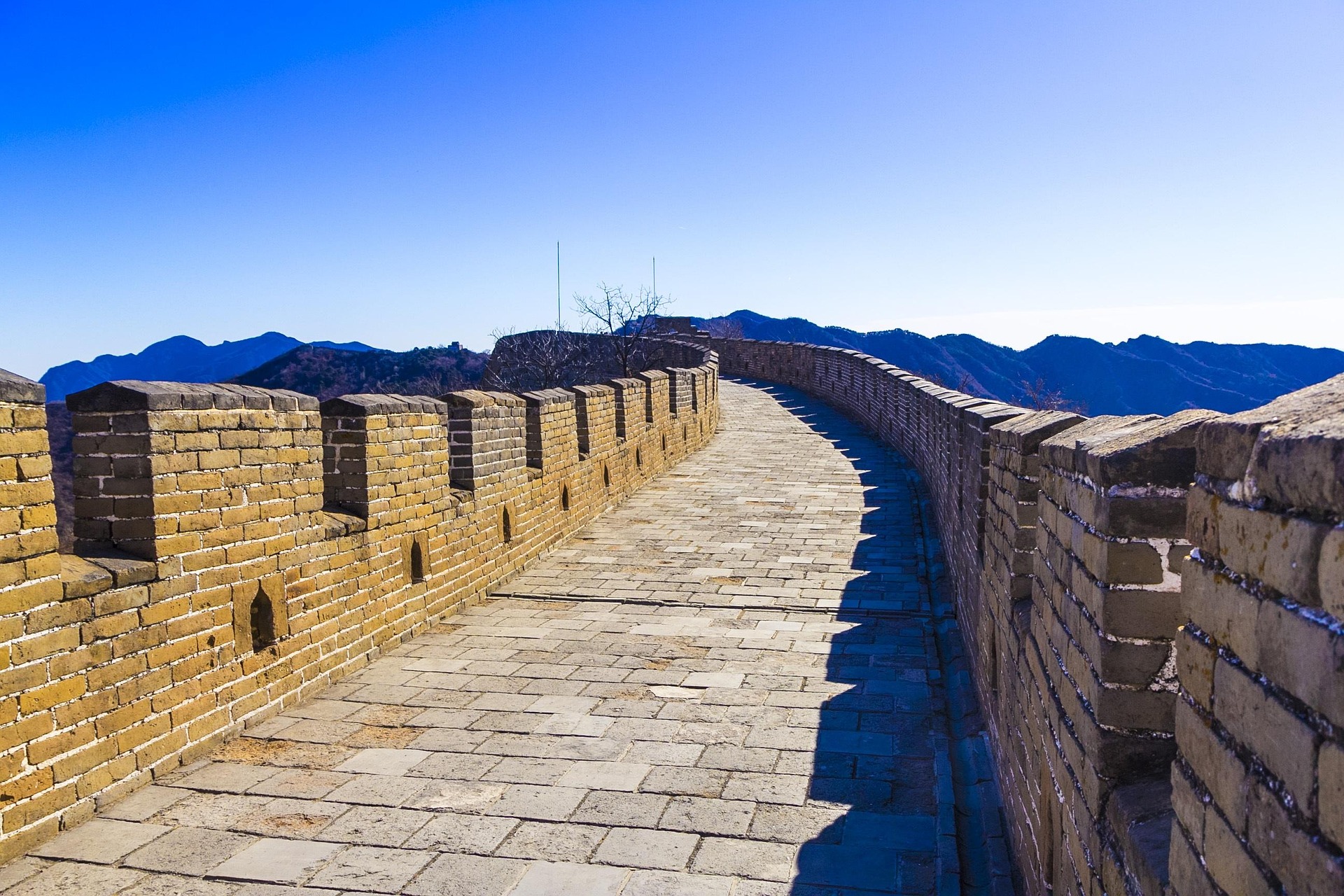
To decide, ask yourself: what’s my theme? History and the Great Wall? Beijing is the obvious hub. Modern skylines and food? Shanghai. Nature and karst mountains? Zhangjiajie or Guilin. Build your route around one core interest, and let the train handle the distances. If you’re unsure, browse our Itineraries for a ready-made plan, and check Destinations for city guides.
Conclusion and next-step CTA
Bringing large suitcases on China high-speed trains is not just allowed — it’s normal. The system is built for travellers with bags, and once you understand the station protocol, it becomes one of the most comfortable ways to see the country. The key steps to remember: verify your exact station, arrive early, keep your passport handy, and claim your luggage space as soon as you board.
Beyond the train, your China adventure will go far more smoothly if you set up your digital tools, learn a few Chinese phrases, and respect local customs. If you’re still planning, start with our Travel Essentials, which covers visas, connectivity, and packing. And don’t forget to check current visa rules at the Visa & Entry page — entry policies change, so always verify before booking.
Now that you’re ready, pick your route, book your tickets, and send us your questions. China is waiting, and your suitcase is welcome.
Before you go
- ✓Verify the exact railway station and airport terminal before booking.
- ✓Keep the same passport you used for your train ticket accessible at all times.
- ✓Arrive at the station 60–90 minutes early for security and boarding.
- ✓Save your train ticket QR code offline on your phone.
- ✓Write down your hotel address in Chinese for taxi and ride-hailing drivers.
Common mistakes
- Getting off at the wrong station because you didn't verify the station name.
- Keeping your passport in a checked-in suitcase or deep in a backpack when needed.
- Arriving at the station on time but without a buffer for security.
- Placing a large suitcase in the overhead rack instead of the designated luggage area.
- Leaving your luggage unattended for just one minute to buy a snack.
FAQ
Can I bring a large suitcase on China high-speed trains?
Yes, most high-speed trains have designated luggage areas at the end of each carriage. Standard suitcases are allowed without extra fees, but oversized items may require prior arrangement with the operator.
How early should I arrive at a China railway station?
As a first-time traveller, aim to arrive at least 60–90 minutes before departure to allow time for security checks, passport verification, and finding your gate. Always check the specific station's guidance.
What's the difference between Beijing South and Beijing West?
They are different railway stations used by different train lines. Beijing South mainly serves the Beijing–Shanghai high-speed line, while Beijing West serves other routes. Always confirm your ticket's exact station name.
Useful next steps
Policy, app, transport, and booking procedures can change. Recheck official sources and operating platforms before you pay for non-refundable travel.