










Quick answer
- You can take photos in most public places in China, but avoid sensitive areas and respect signs.
- Prepare your digital essentials before departure: payments, data, maps, and translation.
- Plan your arrival day and choose a route that matches your time and interests.
So, Can You Take Photos in China? Let’s Get That Out of the Way
If you’ve typed “can you take photos in public places in China” into a search bar, you’re probably also thinking about something bigger: your first trip to China. The good news: the answer is yes, you can take photos in most public spaces. The Great Wall, the Shanghai skyline, Zhangjiajie’s towering formations — these are all part of a country that welcomes travelers. The exceptions are limited: military installations, government buildings, and places marked “No Photography” should stay off your camera roll. Beyond that, photography rarely gets travelers in trouble.
The real anxiety Western travelers feel before a first China trip isn't usually about photos. It’s about the unknowns: Will my phone work? Can I pay without Alipay? How do I get from the airport to the hotel when I don’t speak Chinese? This China travel guide is designed to answer those questions and more. We’ll walk you through the digital survival kit you need, the logistics of landing, the cultural etiquette that smooths every interaction, and the route planning that keeps your stress level near zero.
Think of your first 24 hours in China as a logistics puzzle. Once you solve entry, data, payments, and transport, almost everything else falls into place. The practical advice that follows is based on how real first-timers move through the country — and it’s built to give you confidence before you set foot on the plane.
The Digital Survival Kit: Payments, Internet, Maps, Ride-Hailing, and Translation
A reliable data connection is the most important first-day tool. It powers maps, translation, payments, ride-hailing, and even basic communication. Travelers typically compare eSIM, international roaming, local SIM, and pocket WiFi. We recommend checking your phone's eSIM compatibility before you leave. eSIM can be convenient because you can activate it before departure, but coverage and access to certain services can vary. Always keep an offline backup: downloaded maps and screenshots of hotel addresses and bookings.
Mobile payment is the norm in large Chinese cities, but you should still carry a backup. Alipay and WeChat Pay can link to foreign credit cards in many cases, but setting up, verifying, and testing the apps takes time. Install the apps, link your card, complete the verification steps, and make a small test payment while you're still at home. This avoids first-day frustration. And since a data connection is required for payment apps, your connectivity plan should be in place before you arrive.
For navigation, download offline maps for the cities you'll visit. DiDi and other ride-hailing apps work with your hotel address in Chinese characters — so save it to your notes. Google Translate, Apple Translate, or Papago can help bridge the gap, but pre-typing key phrases and addresses is faster. Save screenshots of your flight, train, and hotel confirmations in a dedicated photo album.

Practical Logistics: From Visa to Train Stations
Start with entry rules. Visa and entry policies change, so verify your country’s current requirements well before booking. If you need a visa, apply early and double-check your passport validity. For visa-free transit schemes, confirm the rules from official sources. Keep your passport accessible throughout your trip — you’ll need it for train boarding and hotel check-ins.
Large Chinese cities often have multiple railway stations and airports. Beijing South is not Beijing West; Shanghai Hongqiao and Shanghai Pudong are very different experiences. Always check the exact station or terminal name before booking transport. High-speed rail is ideal for classic city pairs like Beijing-Shanghai, Shanghai-Hangzhou, or Shanghai-Suzhou. Arrive at the station at least 30–60 minutes early to pass through security, wait for your gate, and board comfortably.
Your arrival day deserves buffer time. Immigration, baggage claim, and setting up your data connection can eat up hours. If you have a train connecting from the arrival city, add at least three to four hours from landing to your train departure. Avoid scheduling four must-see attractions on the first day. Instead, plan a light afternoon near your hotel: a walk through a park, a meal at a local restaurant, or a quick view of a landmark.
Cultural Etiquette and Good-to-Know Warnings
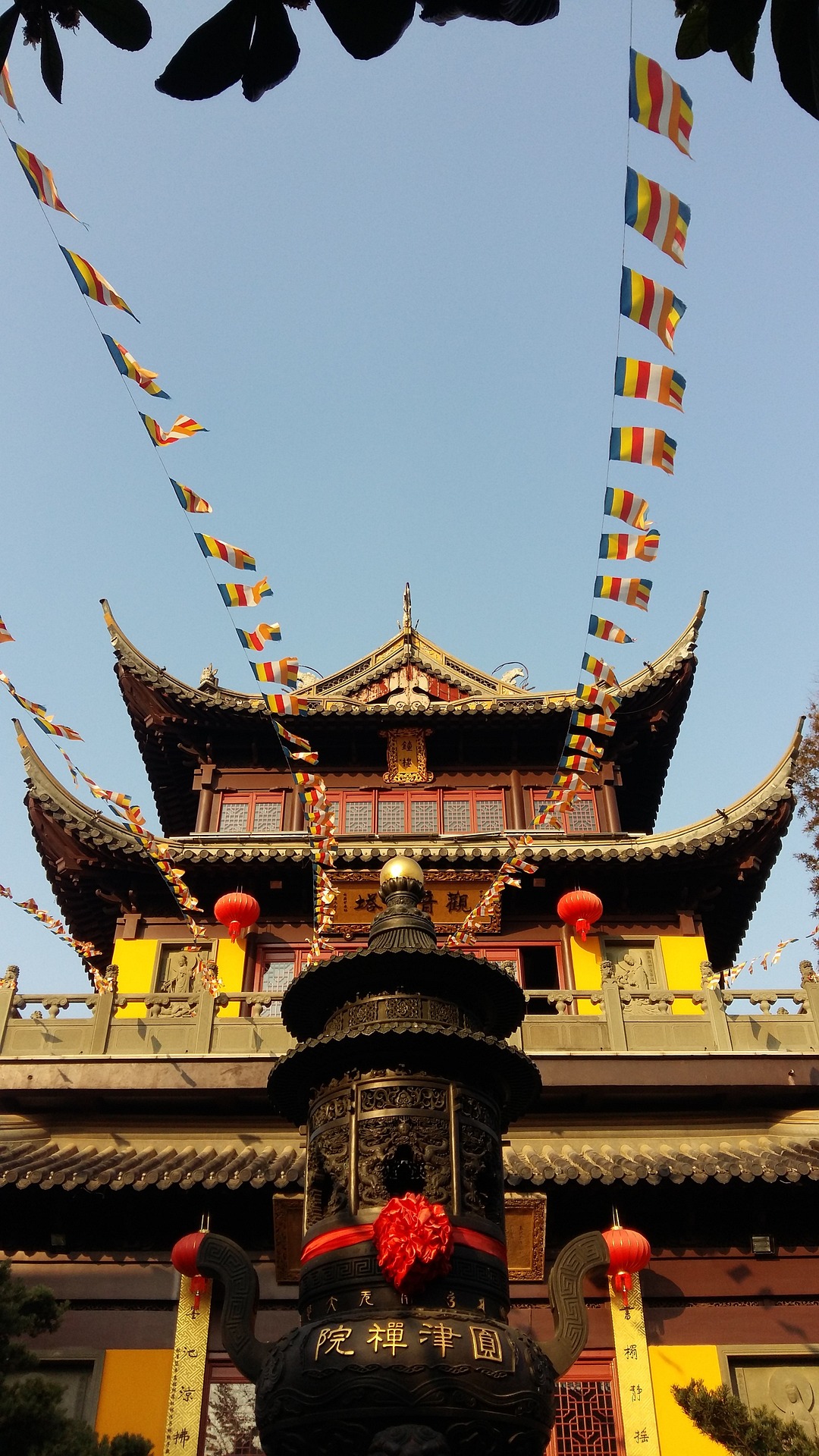
Photography etiquette in China is straightforward. You can shoot in public squares, streets, markets, and most temples. Ask permission before taking close portraits, especially of elderly people or minority groups. In museums, note whether photography is allowed and if flash is banned. Military zones, government buildings, and sometimes border areas are off-limits; walk away if a guard indicates no photos. The Chinese are generally polite, and you’ll get a smile if you ask.
Other etiquette points for first-timers: queue with patience, speak in a moderate tone, and avoid confrontation. Tipping is not expected in most restaurants or taxis. At meal times, dishes are often shared, and it’s impolite to eat before elders if you’re at a formal gathering. In temples and minority villages, dress modestly and remove your hat when respectful.
A few practical warnings: keep your phone, passport, and wallet secure, especially at crowded markets. Street food is delicious, but choose busy stalls with high turnover. And don't photograph security personnel, police officers, or anything that looks sensitive. These rules are common sense, but they’re worth remembering. Strictly speaking, you won’t be arrested for taking a photo of a street scene, but staying aware keeps the experience smooth.

Choose Your First-Timer Route: A Decision Framework
Your route should match the time you have. For a 3-day trip, focus on a single city — Beijing, Shanghai, or Xi'an are good starters. With 5 days, you can add one close destination, like Beijing plus Xi'an (via 5-hour train) or Shanghai plus Hangzhou. For 7 days, the classic Beijing-Shanghai high-speed rail route works well, or Shanghai-Hangzhou-Suzhou for a more compact cultural loop. With 10 days, consider three cities or one city plus a nature destination like Zhangjiajie.
Keep arrival and departure days lighter. Instead of racing to a distant attraction, factor in travel time, security checks, and the occasional airport wait. The best first-time routes include buffer time for meals, rest, and spontaneous discoveries. Choose your theme: history (Xi'an, Beijing), food (Chengdu, Guangzhou), modern cities (Shanghai, Shenzhen), or nature (Zhangjiajie, Guilin). You can’t do everything in one trip, and that’s okay.
Use our itinerary planner to see exactly how many days each city pair needs. At /itineraries, you’ll find structured route options. For deeper dives on individual places, head to /destinations and compare the character of each city. If you're still deciding, our travel essentials page lists the items you'll need and the steps to prepare them.
Your Next Step: Start Planning with Confidence
So, can you take photos in public places in China? Yes — and your camera will be busy capturing the scenery. But the trip itself succeeds or fails on the details: mobile payment setup, connectivity, entry documents, and a realistic itinerary. This China travel guide gave you the system; now it’s time to build your own plan.
Start with the official visa requirements for your country. Then move to your digital toolkit: set up your eSIM or data plan, test Alipay and WeChat Pay, and download offline maps. Finally, choose a route that excites you but doesn’t exhaust you. Our visa guide and essentials checklist can walk you through each step.
We’re here to help you at every stage. If you have questions about your specific itinerary, leave a comment below, or use our itinerary planner to tailor a route. China is waiting — and with a little prep, you’ll be photographing the Great Wall without a worry.

Before you go
- ✓Verify current China visa and entry rules before booking flights.
- ✓Install and set up Alipay and WeChat Pay; link a foreign card and test a small payment.
- ✓Arrange connectivity: buy an eSIM or international data plan and confirm phone compatibility.
- ✓Download offline maps, save hotel addresses in Chinese, and screenshot bookings.
- ✓Pack your passport in an accessible spot for train and hotel checks.
Common mistakes
- Assuming you can access every website or app you use at home without offline alternatives.
- Relying only on one payment method; bring a backup card or cash.
- Confusing railway stations in large cities, e.g., Beijing South vs. Beijing West.
- Over-scheduling your itinerary; too many cities in a short trip leads to exhaustion.
- Landing on arrival day with no buffer time for immigration and setup.
FAQ
Can you take photos in public places in China?
Yes, in most public spaces. Avoid military areas, government buildings, and places with explicit 'No Photography' signs. Always be respectful when photographing people.
Do I need to carry cash in China?
Mobile payment is widespread, but it's wise to carry some cash for small merchants, markets, or deposits. Keep small bills for convenience.
How far in advance should I plan my China itinerary?
Begin planning 2–3 months before departure for visa, payments, and accommodation. Book high-speed rail tickets and popular hotels well in advance.
Useful next steps
Policy, app, transport, and booking procedures can change. Recheck official sources and operating platforms before you pay for non-refundable travel.