









Quick answer
- Most restaurant meals are shared, so ordering is about balance rather than one dish per person.
- Prepare allergy phrases in Chinese and confirm ingredients with staff before ordering.
- Regional food differs sharply; plan meals around the city, not a single idea of Chinese food.
Order for the table
In many Chinese restaurants, dishes are shared. A good order usually includes a protein, a vegetable, a staple or noodle, and possibly a soup or cold dish. For two people, two or three dishes may be enough; for a group, add variety rather than repeating similar items.
If you are unsure, ask for the restaurant's signature dishes and show your preferences: not spicy, less oil, no pork, vegetarian, seafood allergy, or no peanuts.
Handle allergies clearly
If you have serious allergies, do not rely only on translation apps at the table. Prepare a short Chinese allergy card before departure and show it to staff before ordering.
Be specific. For example, say whether you cannot eat peanuts, tree nuts, sesame, shellfish, dairy, gluten, eggs, or pork. Also mention whether cross-contamination is dangerous for you.
Regional food changes the trip
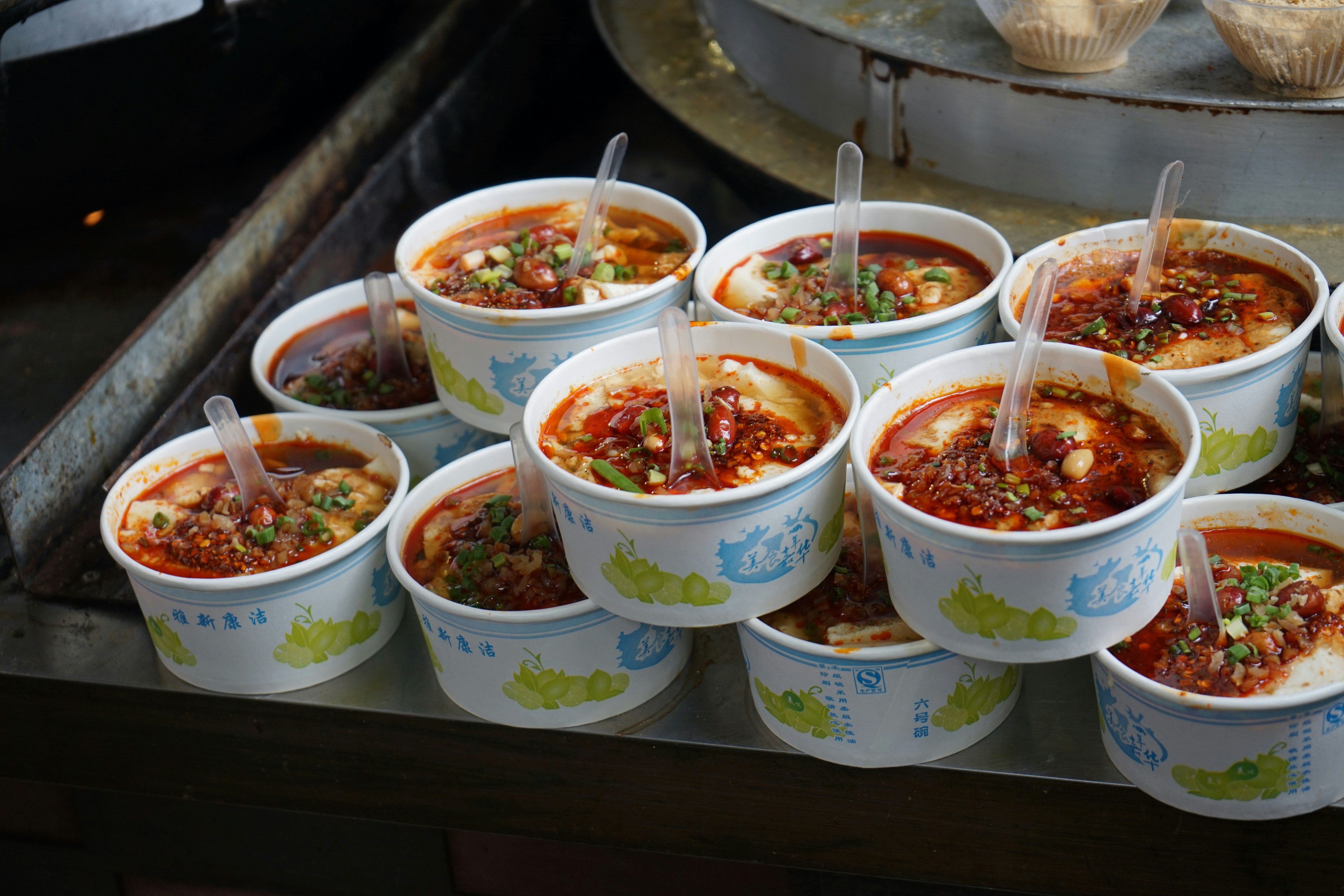
Shanghai is good for delicate Jiangnan flavors and xiaolongbao. Beijing is known for roast duck and northern wheat-based dishes. Chengdu and Chongqing are famous for spice, hotpot, and street snacks. Guangzhou is excellent for dim sum and Cantonese dining.
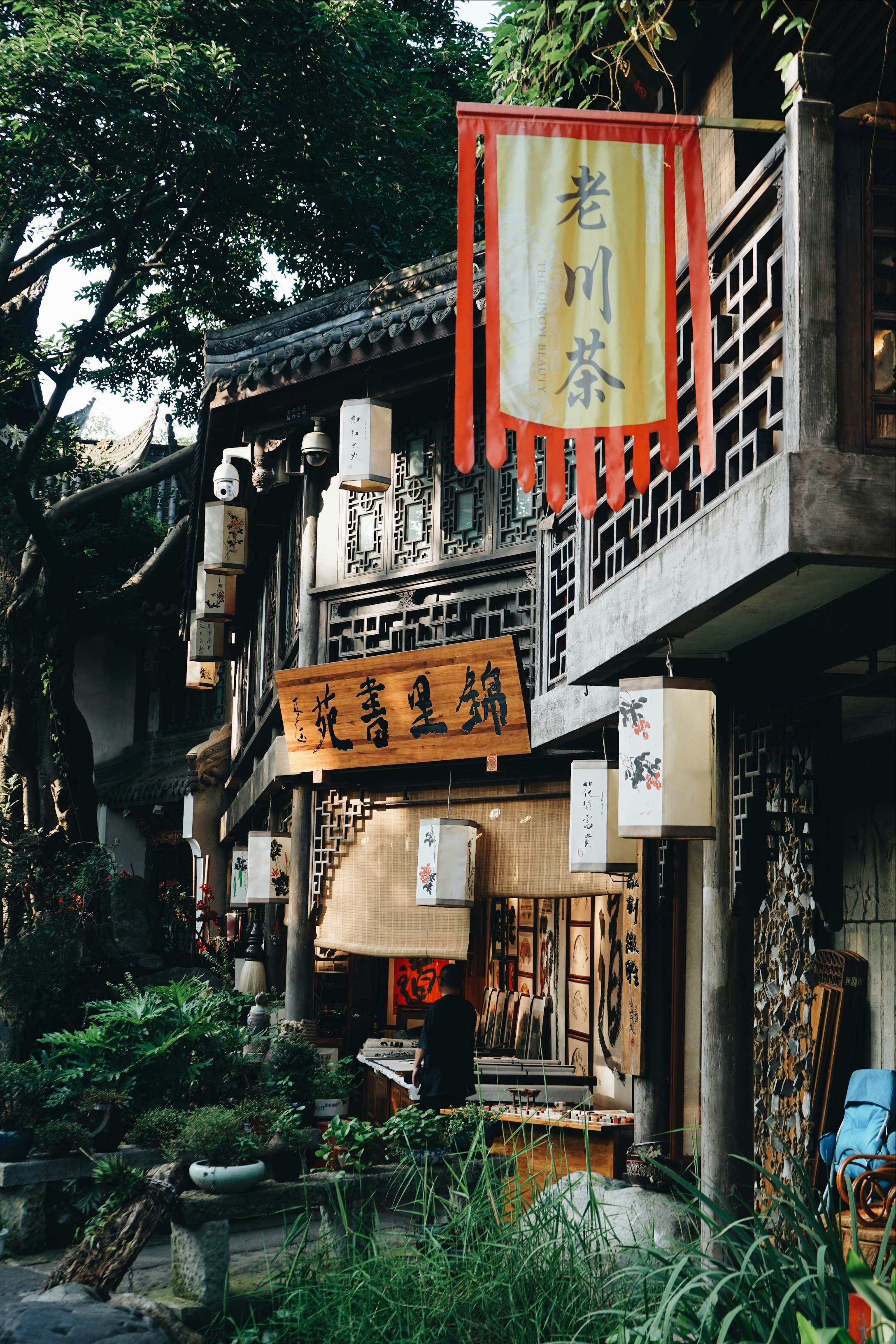
Treat food as part of route planning. A first-time route through Beijing, Xi'an, Shanghai, and Chengdu can feel like four different food cultures in one trip.
Small etiquette habits help
Use serving chopsticks when provided, do not stick chopsticks upright in rice, and avoid turning a shared plate only for yourself. Tea, shared dishes, and group ordering are part of the experience.
Tipping is not normally expected in everyday restaurants. In high-end hotels or private guide situations, check the context rather than assuming one rule applies everywhere.
Before you go
- ✓Save allergy phrases in Chinese
- ✓Ask for signature dishes and spice level
- ✓Order a balanced table: protein, vegetable, staple, soup or cold dish
- ✓Carry payment backup for small restaurants
- ✓Plan regional meals city by city
Common mistakes
- Ordering one large dish per person instead of sharing.
- Saying only 'not spicy' without confirming chili oil or peppercorns.
- Assuming all Chinese food is similar across cities.
- Forgetting to prepare allergy details in Chinese.
FAQ
Is China difficult for vegetarian travelers?
It can be manageable with preparation. Learn clear phrases for vegetarian food and specify no meat stock, no lard, and no seafood if needed.
Is tipping required in China restaurants?
In everyday restaurants, tipping is generally not expected. Higher-end, hotel, or private service contexts may differ.
How do I avoid very spicy food?
Use clear phrases for not spicy and ask about chili oil, fresh chilies, and Sichuan peppercorns. In Chengdu and Chongqing, choose dishes carefully.
Useful next steps
Policy, app, transport, and booking procedures can change. Recheck official sources and operating platforms before you pay for non-refundable travel.